
Livestock record keeping: what to record, legal rules and a simple template
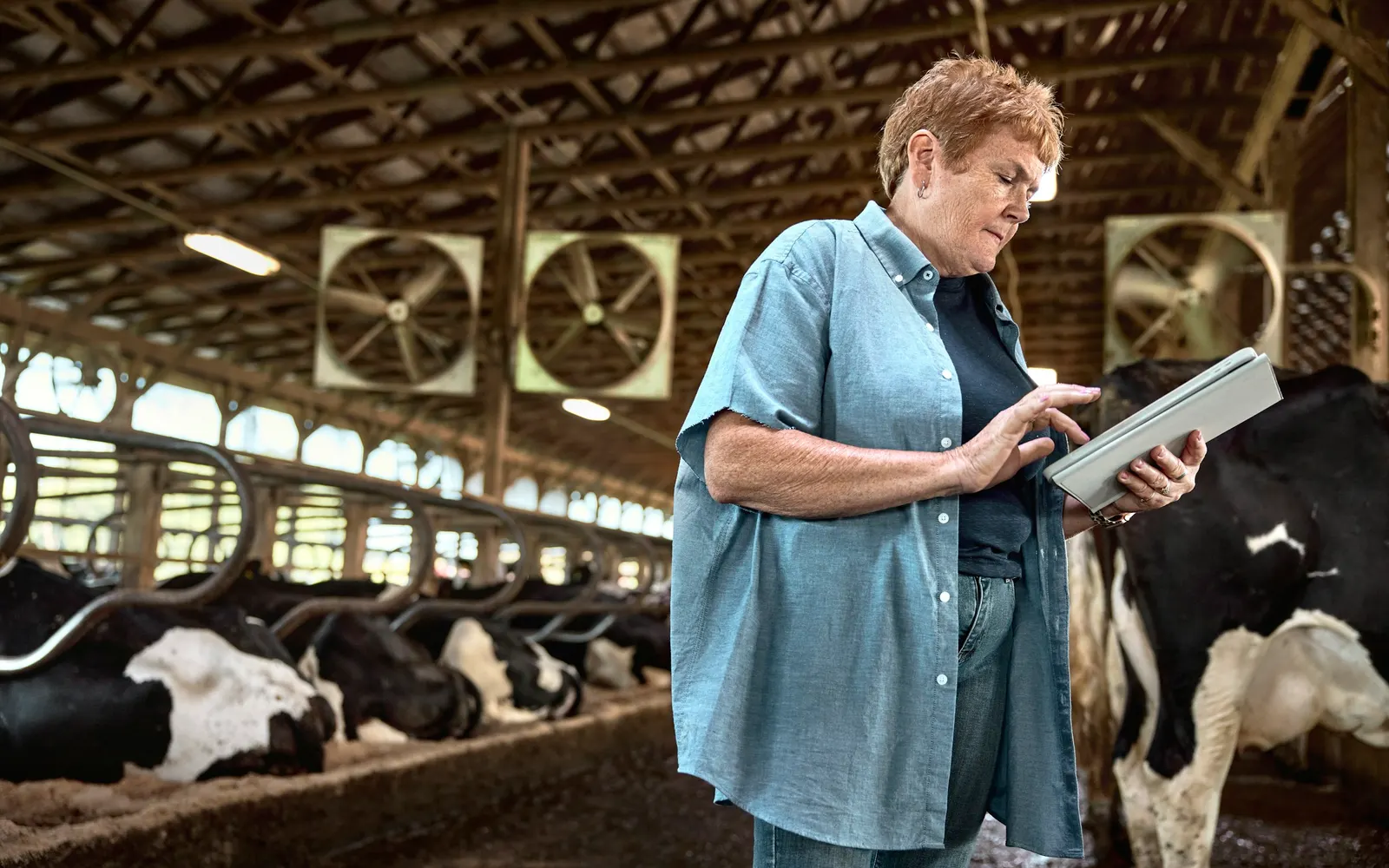
Livestock record keeping means writing down, for each animal or mob, who it is, where it came from, where it went and what was done to it. Some of it is the law: in Australia the receiver of livestock has 48 hours to record a movement on the NLIS database (ISC n.d.b), and in England and Wales cattle keepers must update a holding register within 36 hours of a movement and keep it for 10 years (BCMS and RPA 2023). The rest is good management: extension specialists say the most effective approach is to keep records for each individual animal (Elmore 2019).
What is livestock record keeping?
It is the written history of your animals. Some records are about the whole mob, such as how many head moved to which paddock on what day. Others follow one animal from birth to sale, linked by its ear tag number.
Alabama Extension calls the individual animal approach the most effective, which "involves recording specific data such an animal's identification number, birth date, calf sex, sire, dam, breed composition, weights, and more" (Elmore 2019). A sire is the father and a dam is the mother.
Records come in two kinds. Compliance records are the ones a law or an assurance program says you must keep. Management records are the ones you keep because they help you decide which cows to keep, which bull to replace and whether your season went well.
Why keep livestock records?
The first reason is tracing. If a disease or chemical residue turns up, officials need to know where an animal has been. Australia's NLIS (National Livestock Identification System) gives each animal "a permanent, individual identity" so it "can be traced through the supply chain" (ISC n.d.g). In England and Wales, recording and reporting cattle movements is "a legal requirement to help prevent and contain the outbreak of disease" (BCMS and RPA 2022).
The second reason is selling. In Australia, the LPA (Livestock Production Assurance) program is voluntary, but most red meat processors and retailers want livestock from an LPA-accredited property (ISC n.d.d). When you tick a box on an LPA National Vendor Declaration (NVD), the form that travels with the stock, ISC says "your tick must be backed up by accurate farm records" (ISC n.d.a).
The third reason is your own herd. South Dakota State University (SDSU) Extension notes that calving records show which females needed help at calving, which had stillbirths, and which raised poor calves, which helps with decisions on "what cows to cull or which herd bull to replace" (SDSU Extension 2024). Counting is part of this too: see how to count cattle for gate, race and photo methods.
What records do you need to keep in Australia?
Rules are set by each state and territory, so check with your state department of agriculture. The national picture from Integrity Systems Company (ISC), which runs NLIS and LPA, is below.
NLIS identification and movements
You need a Property Identification Code (PIC), an NLIS account, and NLIS devices on your livestock, and you record movements onto and off your property (ISC n.d.c). For a private sale the buyer or receiver must record the movement; saleyards record their own, and abattoirs record stock consigned directly to them (ISC n.d.b). ISC says "the receiver of livestock has 48 hours to complete an NLIS transfer" (ISC n.d.b). In Victoria the record must be made within 2 days of the cattle arriving, or before they leave if that is sooner (Agriculture Victoria 2026).
Size is no excuse. "Hobby farmers must register livestock movements on the NLIS database, regardless of the property size or the number of animals on the property" (ISC n.d.c). For the tags themselves, see our guide to cattle ear tags and NLIS.
LPA records
ISC's free LPA templates cover seven areas: property risk assessment, animal treatments, stock foods and pasture treatments, preparation for dispatch, livestock transactions and movements, biosecurity, and animal welfare (ISC n.d.a). Two rules worth knowing:
- For any treatment, even one given by a vet, "the batch number and expiry date of the product used must be recorded" (ISC n.d.a). ISC's treatment form says veterinary chemical details "should be recorded within 48 hours of use" (ISC n.d.e).
- You "must ensure you receive and keep copies of LPA NVDs for all livestock transferred onto your PIC", because these are checked in LPA audits (ISC n.d.a). ISC's form for stock coming onto the property asks for the date, NVD serial number, NLIS upload ID, number of head, paddock, breed, sex and the vendor's name, address and PIC (ISC n.d.f).
ISC recommends keeping records for stock "for as long as they are on your PIC", and once sold, "for either a minimum of seven years, or in accordance with your state or territory requirements" (ISC n.d.a).
What must a UK cattle holding register contain?
These rules apply in England and Wales. Scotland and Northern Ireland have their own guidance (BCMS and RPA 2023). By law, for each animal the holding register (also called a herd register) must contain (BCMS and RPA 2023):
- official ear tag number
- date of birth
- sex
- official cattle breed code
- genetic dam's official ear tag number, for animals born on your holding
- surrogate dam's ear tag number, only if a surrogate gave birth to the calf
- date of any movement on or off the holding, including if the animal is lost or stolen
- the CPH (county parish holding) number, or name and address, of the keeper it moved from or to
- date of death, if it dies on your holding
You may also choose to record the sire's ear tag number and "a running total of cattle on your holding" (BCMS and RPA 2023). You must also record any movement in the animal's passport, and report movements to the British Cattle Movement Service (BCMS) within 3 days (BCMS and RPA 2022).
| Event | Update the register within |
|---|---|
| Movement on or off the holding | 36 hours |
| Replacing an ear tag, if the number changed | 36 hours |
| Birth of a dairy animal | 7 days |
| Birth of all other cattle | 30 days |
| Death | 7 days |
What if a cattle passport goes missing?
You must apply for a replacement within 14 days of realising it is missing, pay a £20 fee, and not move the animal off your holding until the replacement arrives. If BCMS cannot trace the animal's full movement history, it will not issue a replacement, and the animal cannot leave the holding without a movement licence (BCMS and RPA 2024).
What records do US cattle owners need?
Federal animal disease traceability rules cover livestock moving from one state to another. Cattle and bison that must be officially identified before interstate movement are "all sexually intact cattle and bison 18 months of age or over", "all dairy cattle", and cattle of any age used for rodeo, recreation, shows or exhibitions (USDA APHIS 2024). Since November 5, 2024, official eartags sold for or applied to cattle and bison must be readable both visually and electronically (USDA APHIS 2024).
Most federal recordkeeping duties fall on others: anyone who distributes official tags keeps a record for 5 years, accredited vets keep records of the tags they apply, and approved livestock facilities keep interstate movement papers for cattle for 5 years. A producer is caught too in some cases: anyone who replaces an official ID device with a new number must record the date, the new number and the old number if known, and keep that record for 5 years (USDA APHIS 2024). States add their own rules, so ask your State Veterinarian.
What columns should a simple herd record have?
No single template suits every farm. The columns below are drawn from the official forms and extension guides cited, so a paper book, spreadsheet or app built on them covers the common ground. Pick the ones that apply to you.
| Column | Why | Source |
|---|---|---|
| Animal ID (ear tag or NLIS number) | Links every other record to one animal | BCMS and RPA 2023; Elmore 2019 |
| Date of birth | Required in UK register; needed for age and weaning calculations | BCMS and RPA 2023; Elmore 2019 |
| Sex | Required in UK register | BCMS and RPA 2023 |
| Breed | UK breed code; LPA movement forms ask for breed | BCMS and RPA 2023; ISC n.d.f |
| Dam ID and sire ID | Parentage; sire is optional in the UK | BCMS and RPA 2023; SDSU Extension 2024 |
| Birth weight and calving ease score | Calving performance | SDSU Extension 2024 |
| Date moved on or off, number of head, paddock | Movement and traceability records | ISC n.d.f; BCMS and RPA 2023 |
| From or to (vendor or destination, PIC or CPH) | Shows where stock came from and went | ISC n.d.f; BCMS and RPA 2023 |
| NVD serial number and NLIS upload ID | Links your book to the NLIS transfer | ISC n.d.f |
| Treatment date, product, batch number, expiry, dose, withholding period | LPA treatment record | ISC n.d.e |
| Weaning weight and date | Growth and cow performance | Elmore 2019 |
| Date of death or sale | Closes the animal's record | BCMS and RPA 2023 |
For breeding herds, Alabama Extension also suggests recording when bulls go in and come out, pregnancy test results and body condition scores, a 1 to 9 scale of how fat or thin a cow is (Elmore 2019). For sheep and goats, the year-of-birth tag colour can sit in the ID column; see sheep ear tag colours.
Paper, spreadsheet or app?
Any of them works if it is complete and easy to find. ISC says "there is no preference for digital over hard copy records"; you need to show an auditor that records exist and can be accessed, whether that is a spreadsheet, notes on a phone or a pocket notebook (ISC n.d.a). LPA records can also be stored in your online LPA account (ISC n.d.a). The UK allows a template register, paper, a spreadsheet or a farm software package (BCMS and RPA 2023).
SDSU Extension's advice is to "keep at least two copies of records in case of damage, misplacement, or loss" (SDSU Extension 2024). A second copy is also useful if stock go missing: good records make it easier to prove which animals are yours, as covered in our article on livestock theft.
How long should you keep livestock records?
| Place | Record | How long |
|---|---|---|
| Australia (ISC guidance) | Records for livestock on your PIC, after sale | At least seven years, or your state's requirement (ISC n.d.a) |
| England and Wales | Cattle holding register, for a farm | 10 years from 31 December of the year of the last entry (BCMS and RPA 2023) |
| United States | Records of replaced official ID devices | 5 years (USDA APHIS 2024) |
These rules change. Treat this page as a starting point, and check with your state or national authority before relying on any deadline.
Common questions
What is livestock record keeping?
It is the written history of your animals: who each animal is, where it came from, where it went and what was done to it. Some records are legal requirements for tracing disease and residues, such as NLIS movements in Australia or the cattle holding register in the UK. Others, like calving and weaning records, help you decide which cows to keep and which bull to replace.
What records do cattle farmers need to keep in Australia?
Cattle need an NLIS-approved device before leaving the property, and the receiver records each movement on the NLIS database within 48 hours. LPA-accredited producers also keep records of animal treatments, feed and pasture treatments, dispatch, movements, biosecurity and animal welfare, plus copies of NVDs for stock brought in. Rules are set by each state, so check with yours.
Is there a free livestock record keeping template?
Yes. Integrity Systems Company publishes free LPA record keeping templates, including livestock treatment and movement forms, as PDF, Excel and Word files. In England and Wales, GOV.UK publishes a template holding register for cattle keepers. Both bodies say you can use paper, a spreadsheet or farm software instead, as long as the required details are recorded.
How long do you have to keep cattle records?
In England and Wales a farm must keep its cattle holding register for 10 years from 31 December of the year of the last entry. In Australia, Integrity Systems Company recommends keeping records of sold livestock for at least seven years, or as your state requires. US rules require records of replaced official ID devices to be kept for 5 years.
What should I do about a missing cattle passport?
In England and Wales you must apply for a replacement within 14 days of realising the passport is missing, using form CPP9A and paying a 20 pound fee. Do not move the animal off your holding until the replacement arrives. If BCMS cannot trace the animal's full movement history it will not issue a replacement, and the animal then needs a movement licence to leave.
Can I keep livestock records on an app or spreadsheet?
Yes. Integrity Systems Company says there is no preference for digital over hard copy records, as long as you can show an auditor that records are kept and easy to access. The UK allows a template register, paper, a spreadsheet or farm software. SDSU Extension suggests keeping at least two copies in case one is damaged or lost.
References
- Agriculture Victoria (2026) 'Owning, keeping and moving cattle', Agriculture Victoria. Available at: https://agriculture.vic.gov.au/livestock-and-animals/national-livestock-identification-system/nlis-cattle (Accessed: 17 October 2026).
- BCMS and RPA (2022) 'Record and report cattle movements', British Cattle Movement Service and Rural Payments Agency, GOV.UK. Available at: https://www.gov.uk/guidance/report-and-record-cattle-movements (Accessed: 17 October 2026).
- BCMS and RPA (2023) 'Keep a holding register for cattle to record births, movements and deaths', British Cattle Movement Service and Rural Payments Agency, GOV.UK. Available at: https://www.gov.uk/guidance/keep-a-holding-register-for-cattle (Accessed: 17 October 2026).
- BCMS and RPA (2024) 'Apply for, correct or replace a cattle passport', British Cattle Movement Service and Rural Payments Agency, GOV.UK. Available at: https://www.gov.uk/guidance/get-a-cattle-passport (Accessed: 17 October 2026).
- Elmore, M.F. (2019) 'Beef cattle performance record keeping', ANR-2577, Alabama Cooperative Extension System, reviewed October 2022. Available at: https://www.aces.edu/blog/topics/beef/beef-cattle-performance-record-keeping/ (Accessed: 17 October 2026).
- ISC (n.d.a) 'Record keeping', Integrity Systems Company. Available at: https://www.integritysystems.com.au/on-farm-assurance/record-keeping/ (Accessed: 17 October 2026).
- ISC (n.d.b) 'Buying, selling and moving livestock', Integrity Systems Company. Available at: https://www.integritysystems.com.au/identification--traceability/buying-selling-moving/ (Accessed: 17 October 2026).
- ISC (n.d.c) 'How NLIS works', Integrity Systems Company. Available at: https://www.integritysystems.com.au/identification--traceability/how-nlis-works/ (Accessed: 17 October 2026).
- ISC (n.d.d) 'Livestock Production Assurance (LPA)', Integrity Systems Company. Available at: https://www.integritysystems.com.au/on-farm-assurance/livestock-product-assurance/ (Accessed: 17 October 2026).
- ISC (n.d.e) 'LPA requirement: livestock treatment record', record keeping template, Integrity Systems Company. Available at: https://www.integritysystems.com.au/globalassets/isc/pdf-files/lpa-documents/lpa-records-templates/lpa-02-livestock-treatment-record-form.pdf (Accessed: 17 October 2026).
- ISC (n.d.f) 'Livestock movements record (bringing livestock onto the property)', record keeping template, Integrity Systems Company. Available at: https://www.integritysystems.com.au/globalassets/isc/pdf-files/lpa-documents/lpa-records-templates/lpa-05-livestock-movements-record-bringing-livestock-onto-the-property-form.pdf (Accessed: 17 October 2026).
- ISC (n.d.g) 'Animal identification', Integrity Systems Company. Available at: https://www.integritysystems.com.au/identification--traceability/animal-identification/ (Accessed: 17 October 2026).
- SDSU Extension (2024) 'Calving records 101', South Dakota State University Extension, updated 16 April 2024. Available at: https://extension.sdstate.edu/calving-records-101 (Accessed: 17 October 2026).
- USDA APHIS (2024) '9 CFR Part 86: Animal disease traceability', Code of Federal Regulations, as amended 89 FR 39564, 9 May 2024. Available at: https://www.ecfr.gov/current/title-9/chapter-I/subchapter-C/part-86 (Accessed: 17 October 2026).